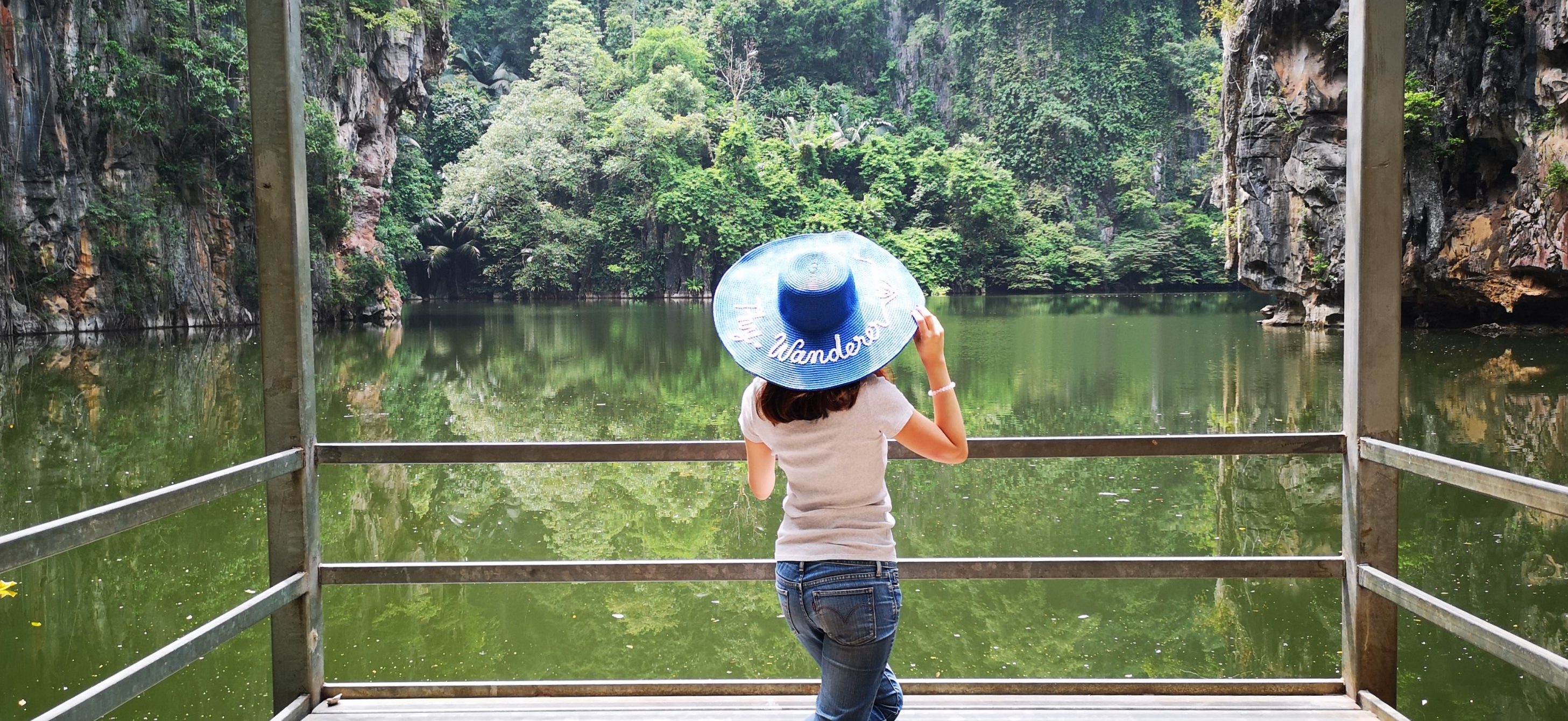
One of the reasons we chose to stay in Kakheti was, of course, the wine.
Often referred to as Georgia’s wine region, Kakheti is home to countless vineyards, wineries, and centuries-old winemaking traditions. While Daniel and I enjoy the occasional glass of wine, neither of us would consider ourselves experts.
Still, it felt wrong to visit Kakheti without learning a little more about what makes Georgian wine so special.
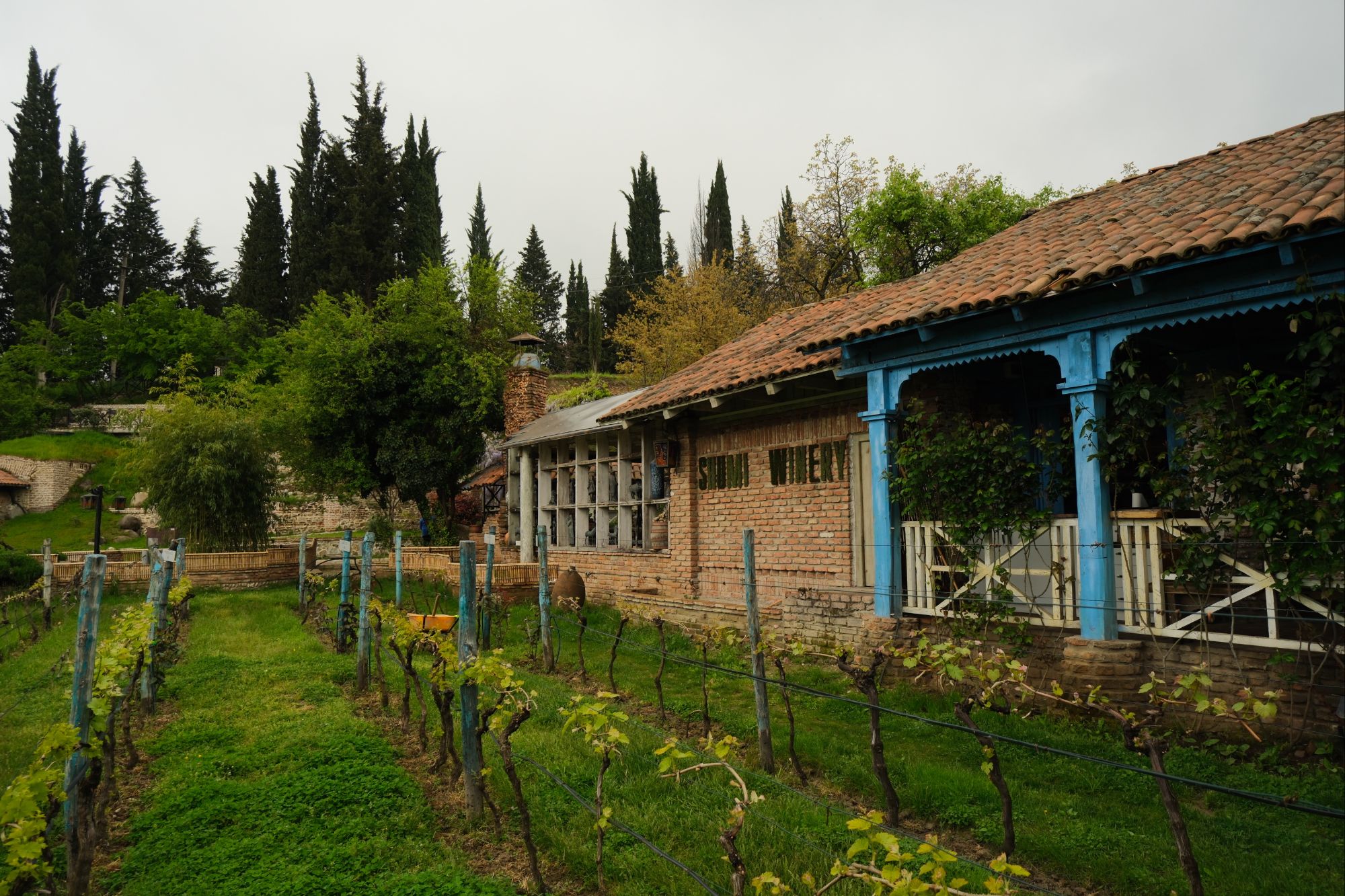
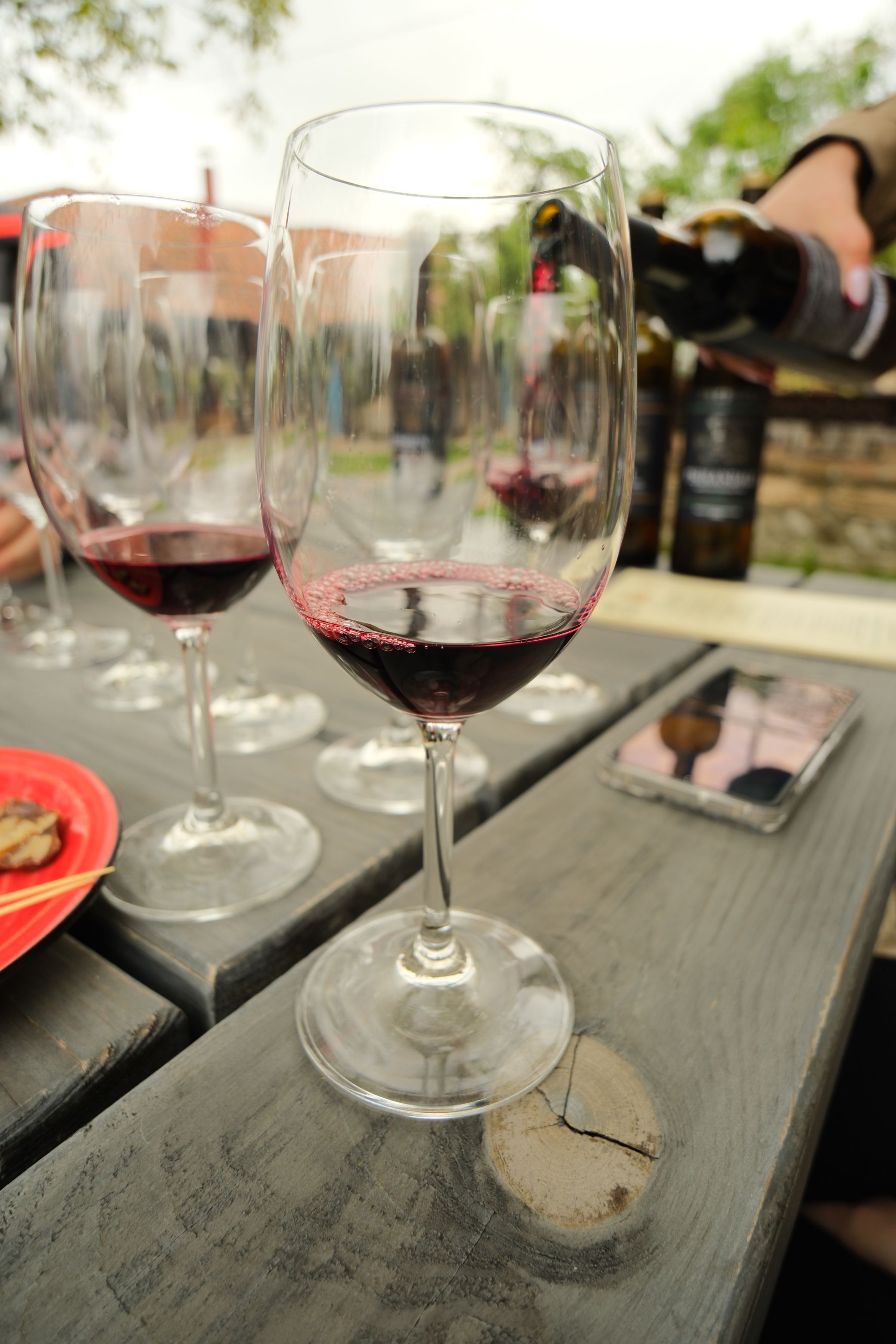
Our first stop that day was Shumi Winery, located just a short five-minute drive from Tsinandali Estate.
Although there was a brief wait before our winery guide arrived, our guide for the day, Dean, filled the time by sharing more about Georgian wine culture and traditions.
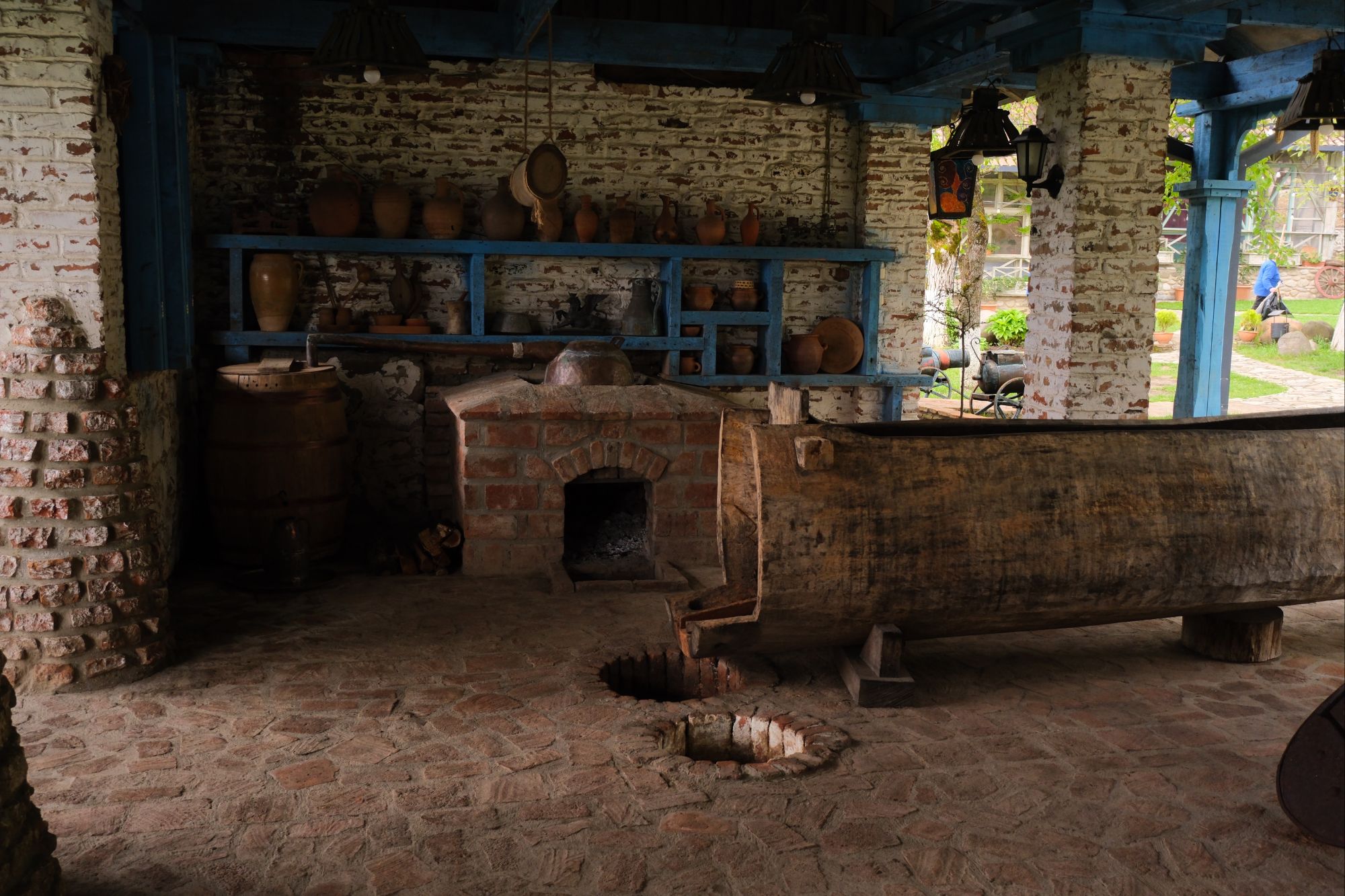
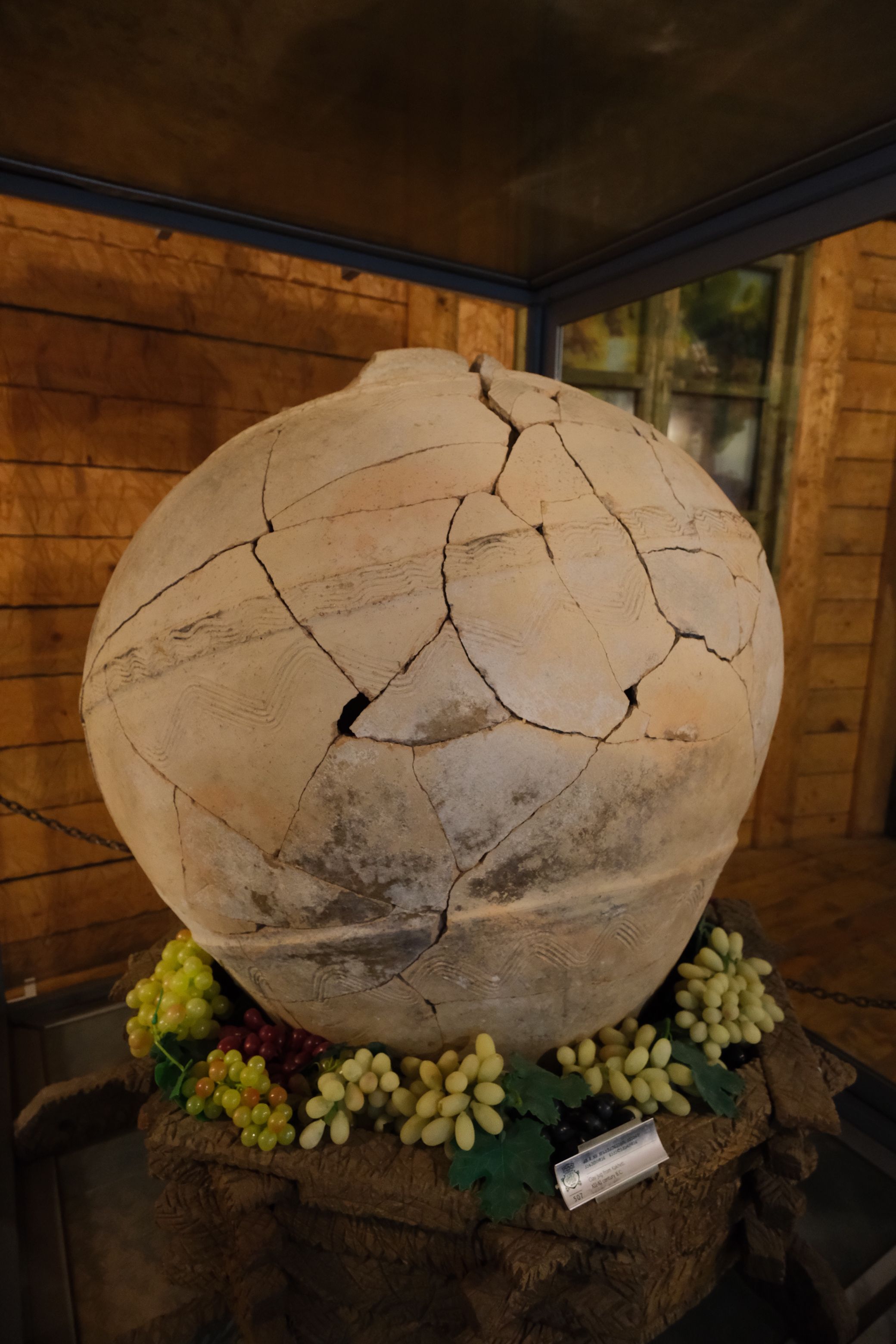
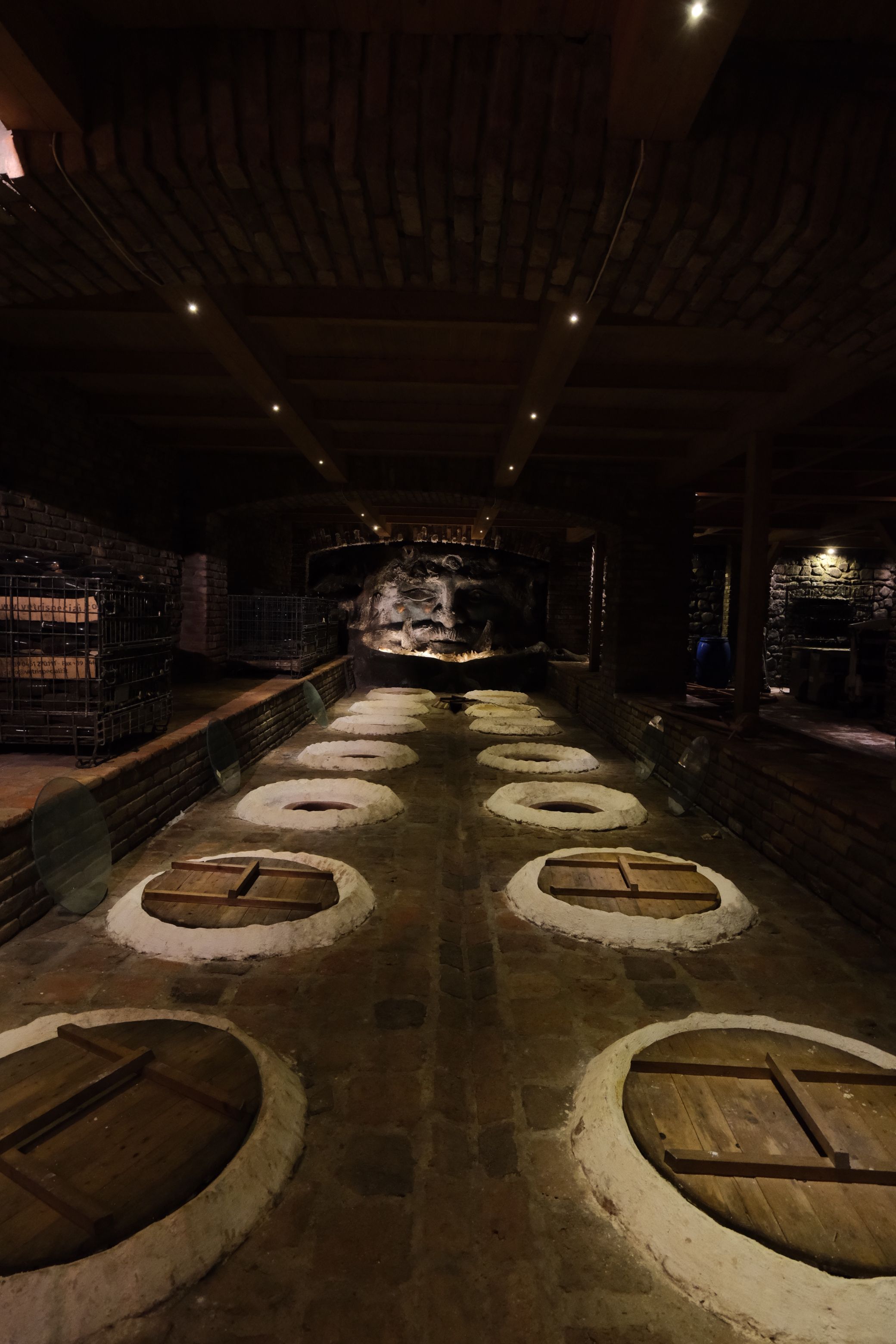
As we drove through Kakheti, he explained how Georgian wine is often made using methods that have remained largely unchanged for centuries. Unlike many modern wineries that rely heavily on technology and temperature-controlled environments, traditional Georgian winemaking revolves around natural fermentation and underground qvevri — large clay vessels buried beneath the earth.
It was fascinating to learn how much of the process depended on nature itself.
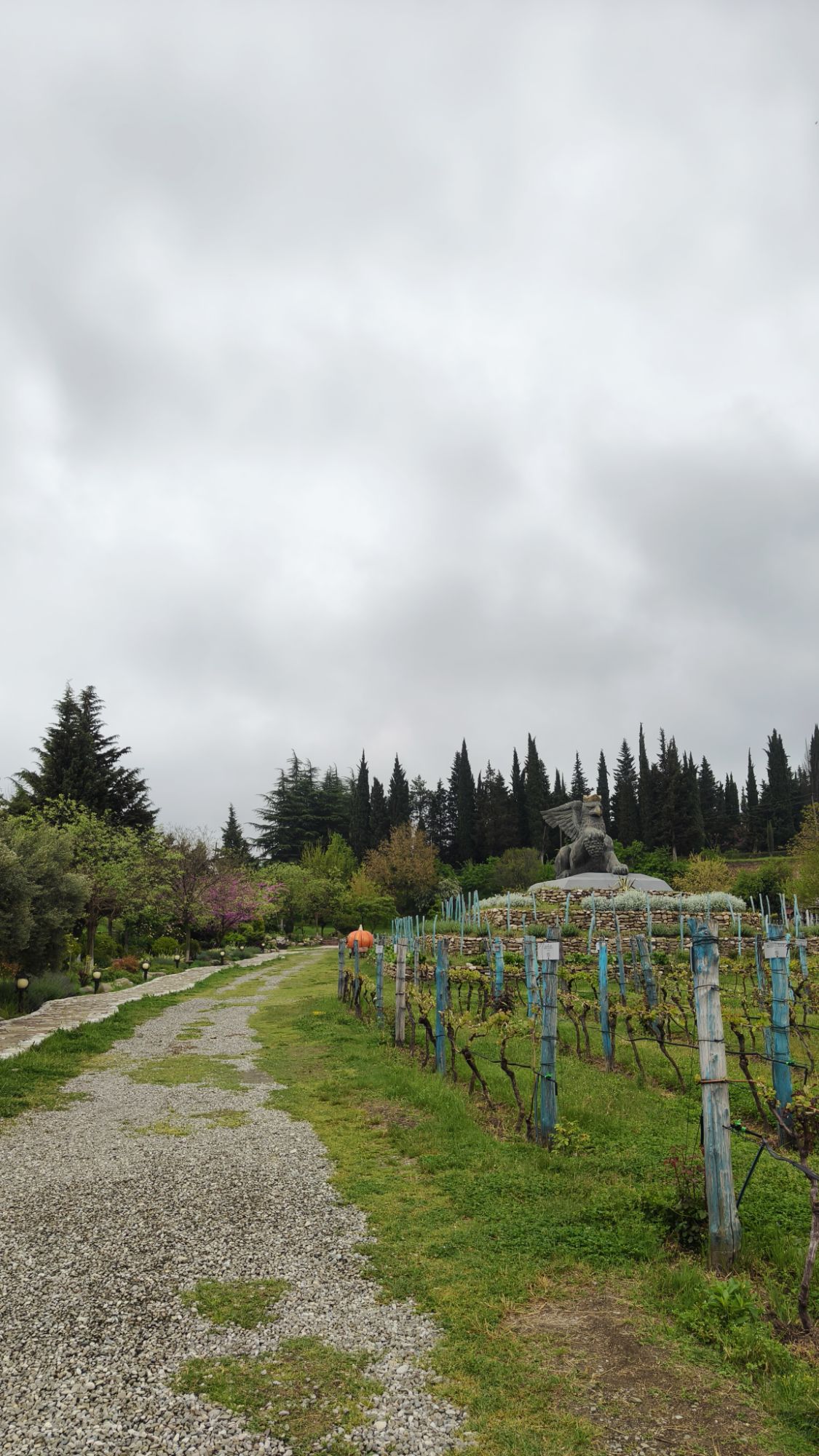
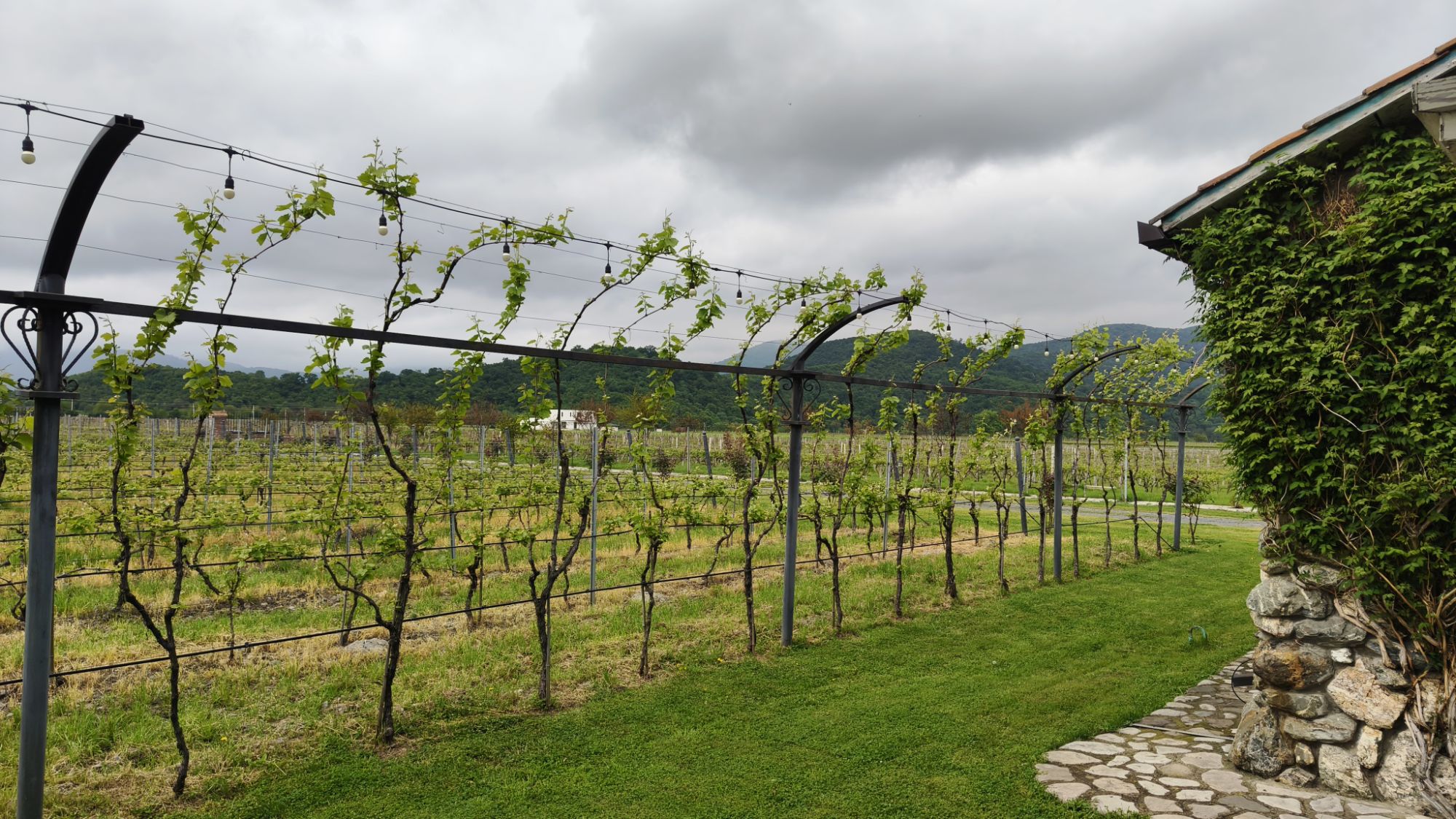
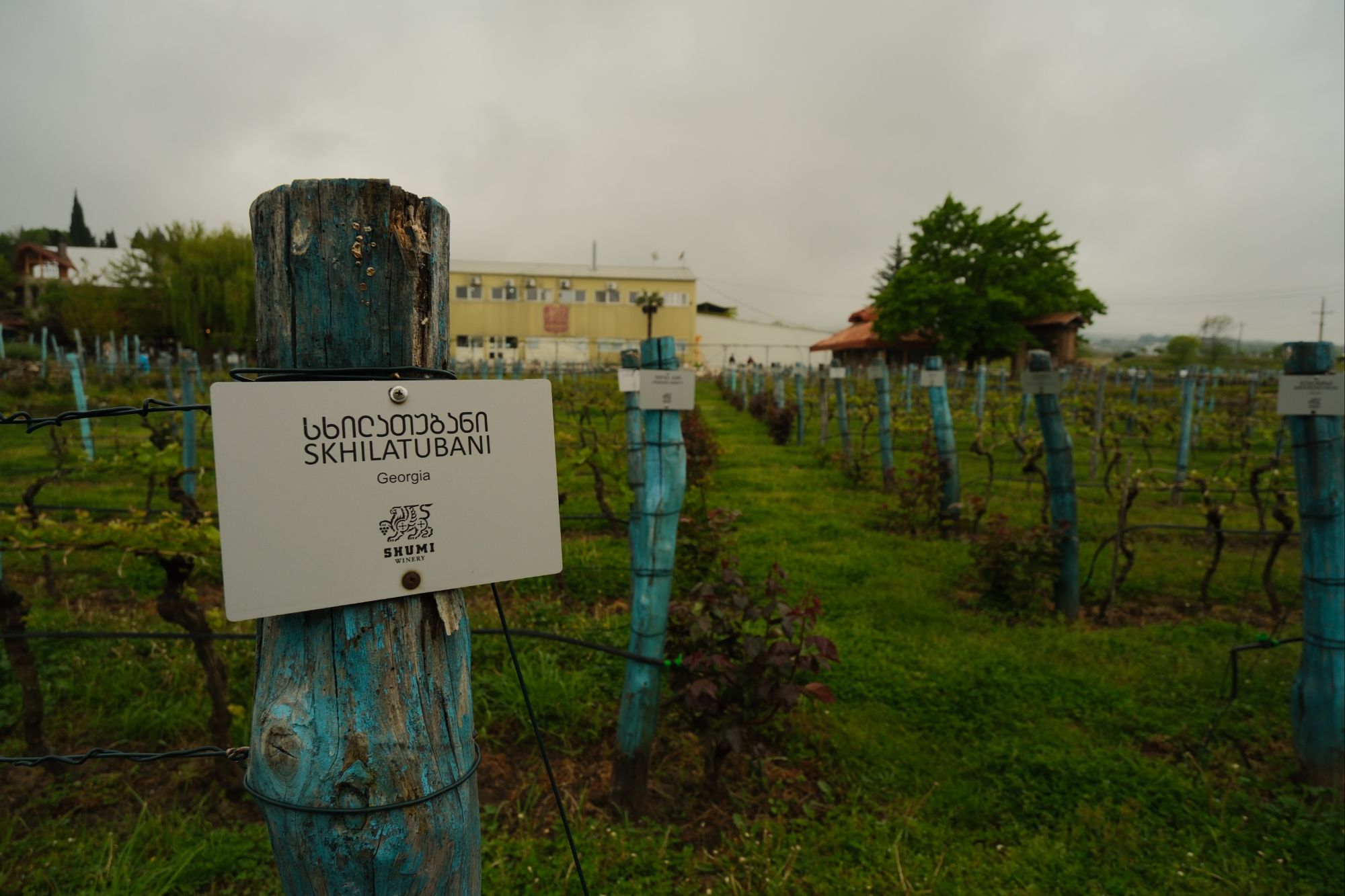
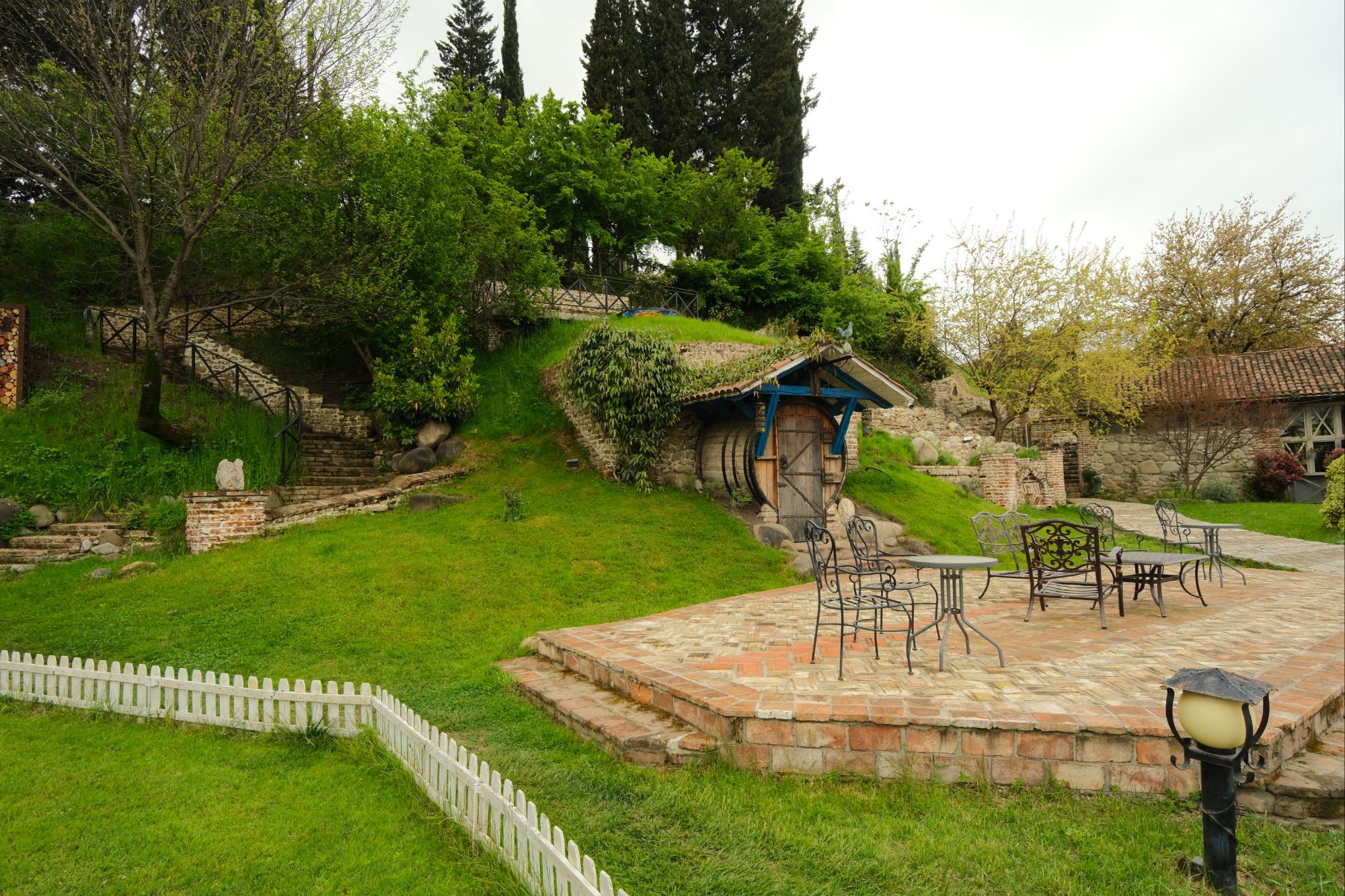
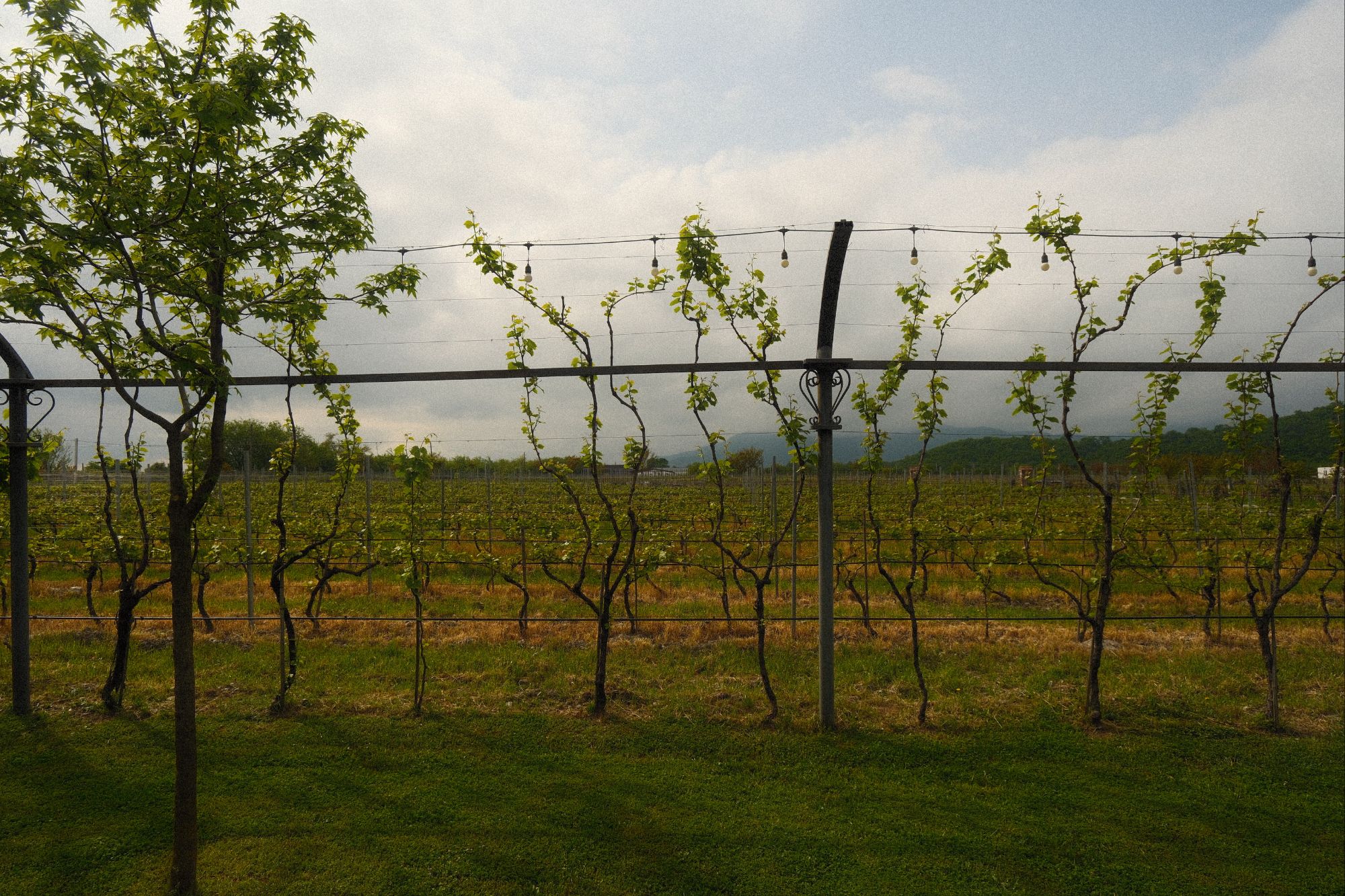
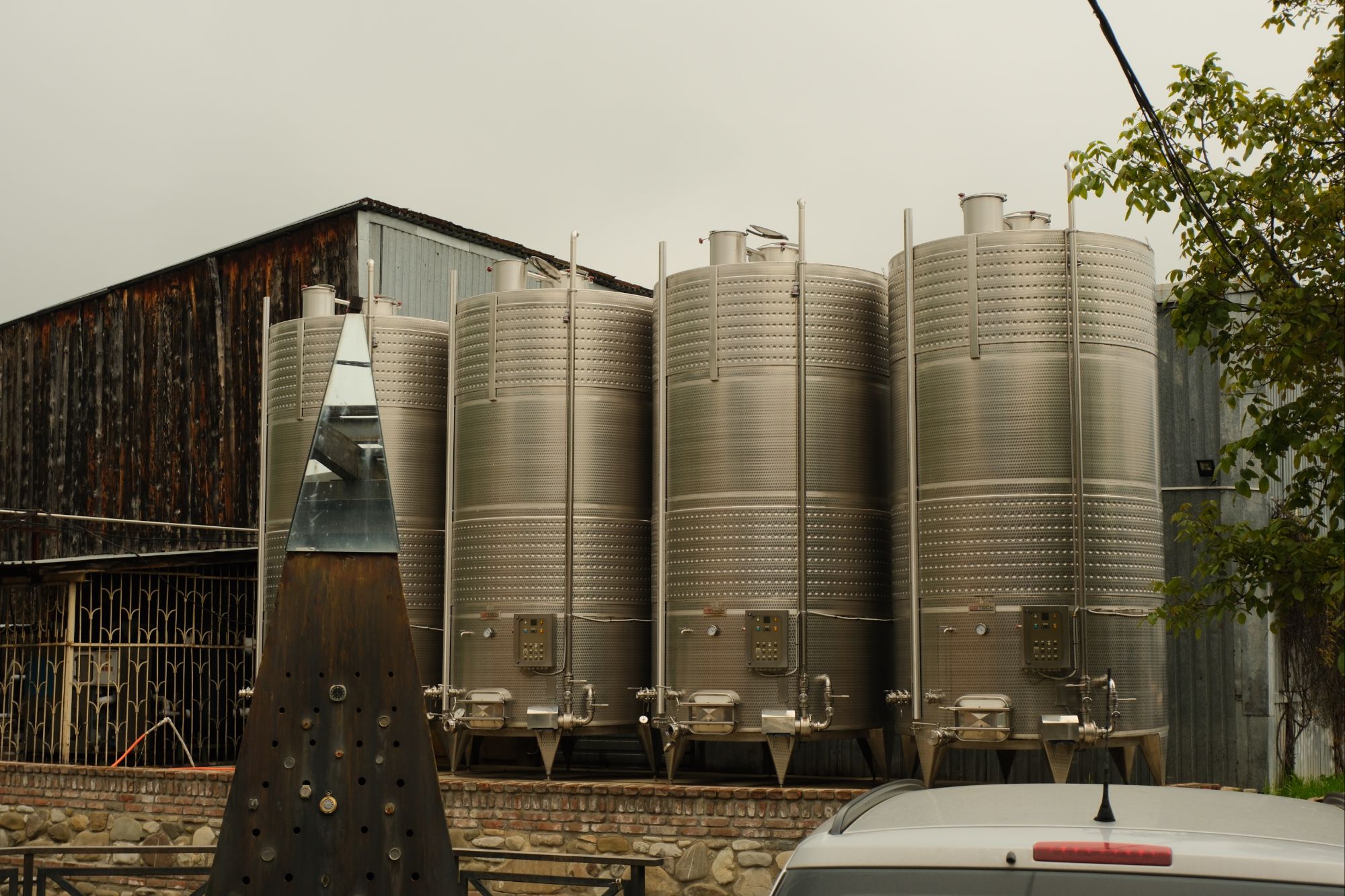
Shumi Winery gave us an introduction to both worlds.
On one hand, there was the traditional Georgian approach, rooted in centuries of history.
On the other, there were modern winemaking techniques that used controlled temperatures and contemporary equipment.
Walking through the winery, it was easy to see how both methods existed side by side.
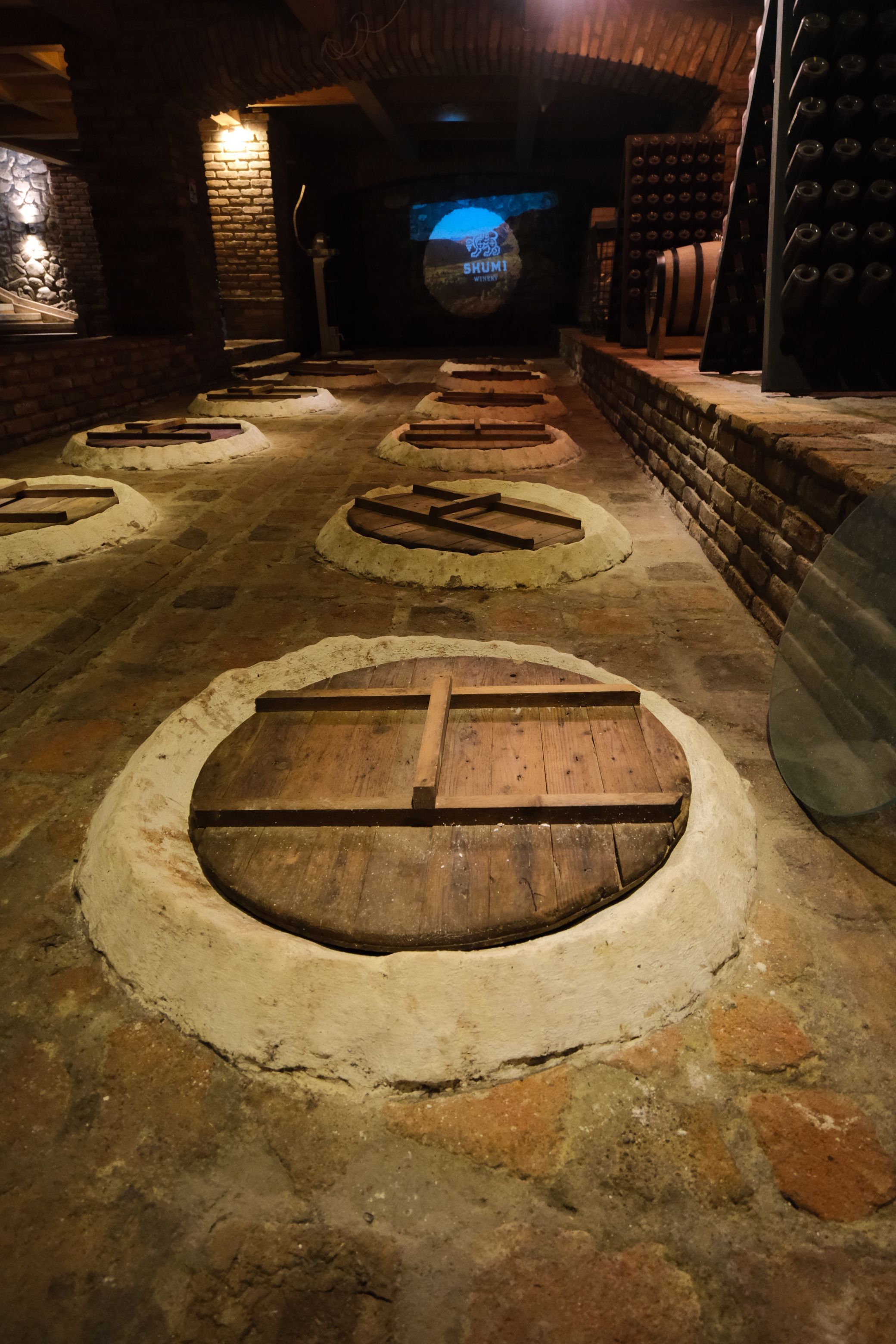
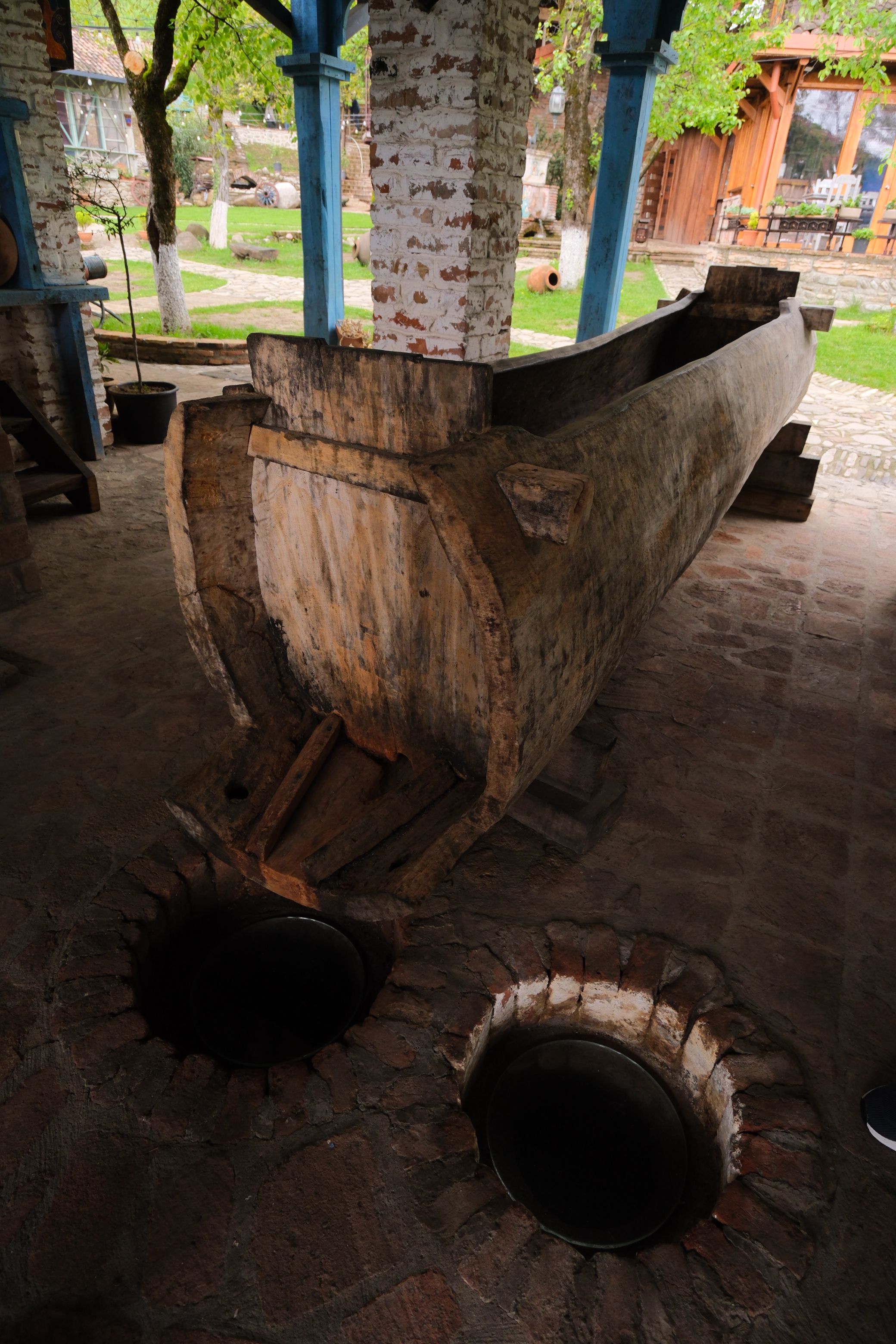
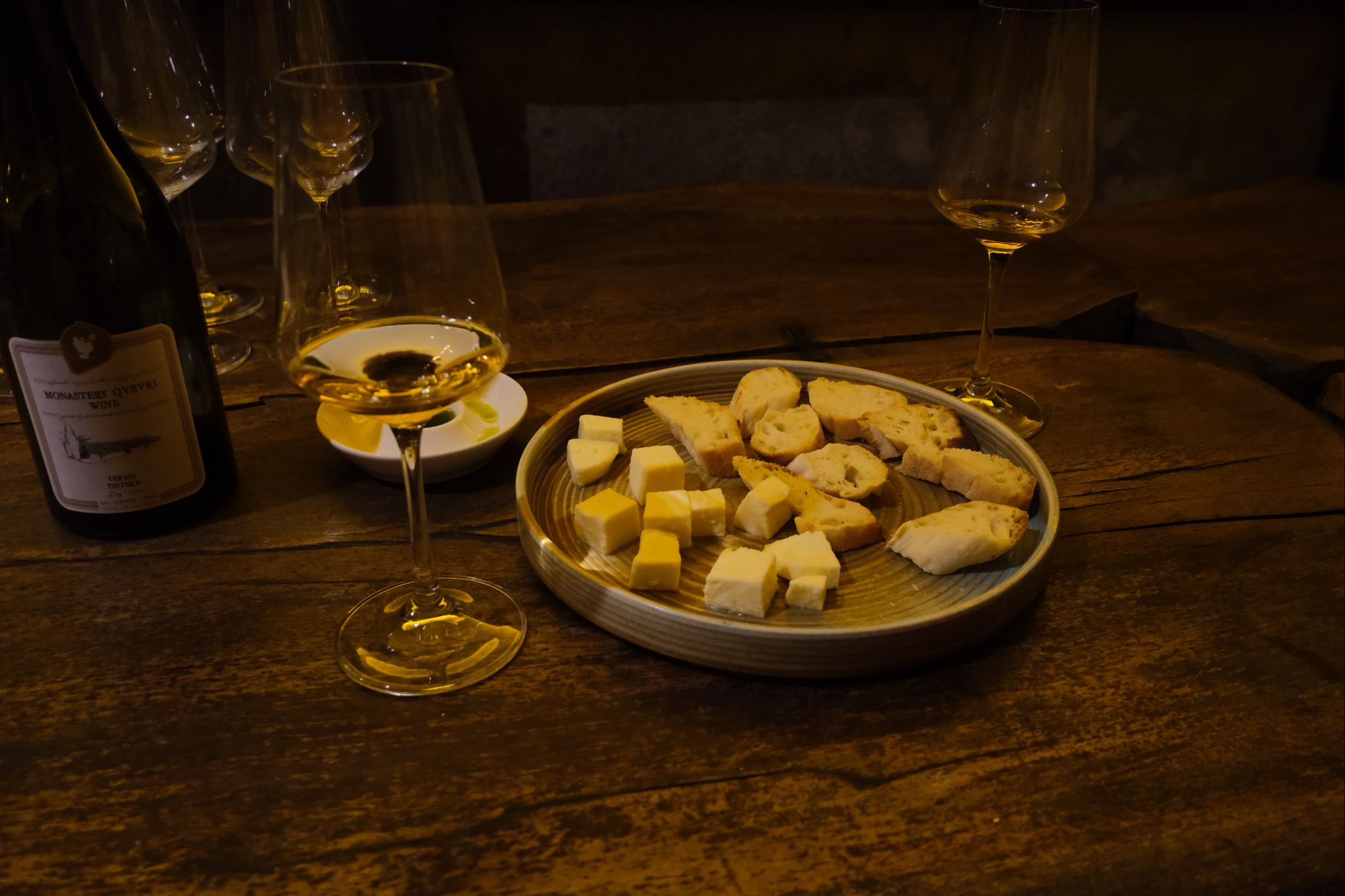
One of the most interesting discoveries for me was Georgian amber wine.
As someone who generally prefers white wine, I found myself surprisingly drawn to it.
The colour alone was unlike anything I was used to seeing, and the flavours were equally distinctive.
In fact, we enjoyed it enough that we eventually brought two bottles home with us from the airport.
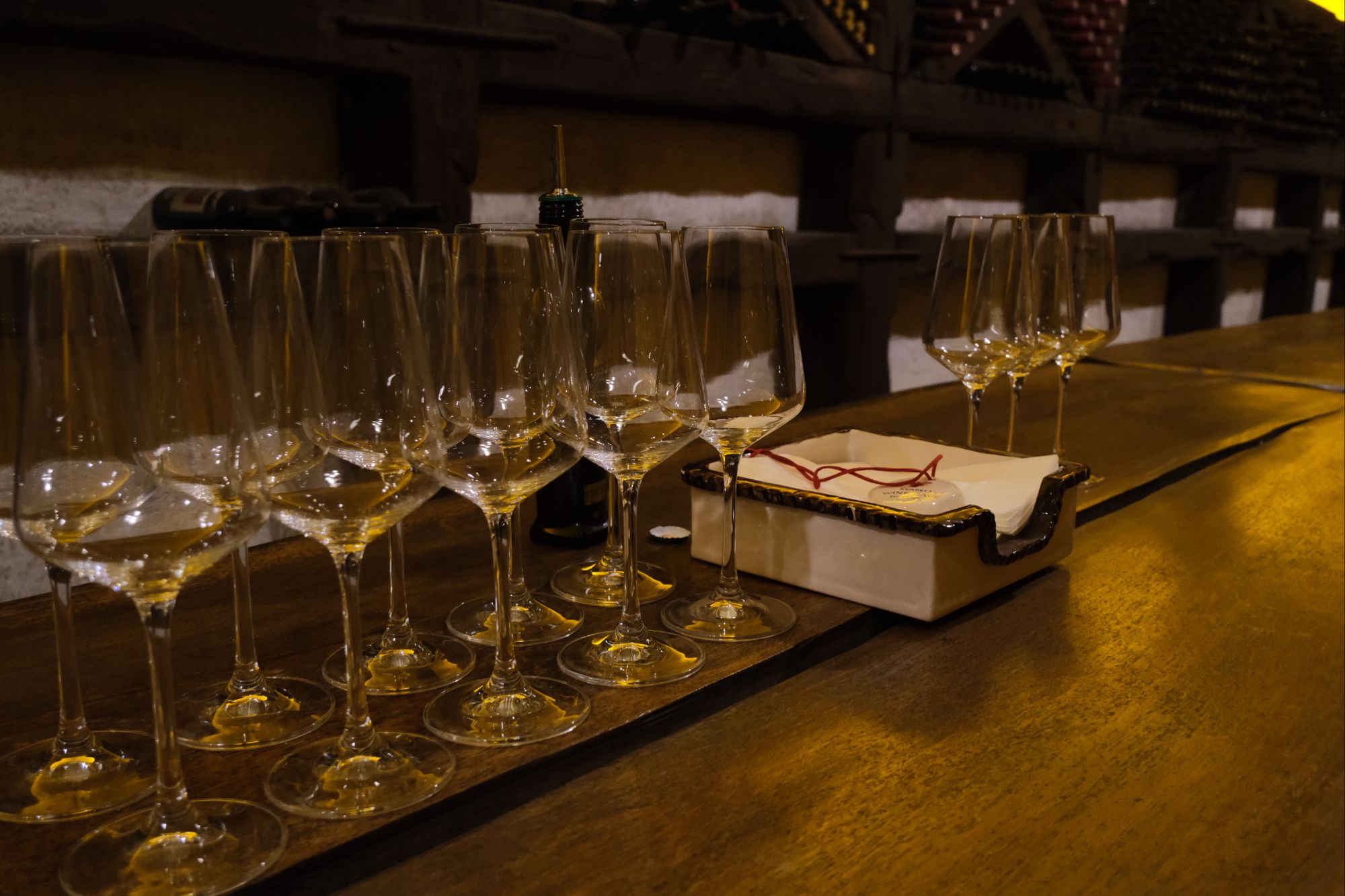
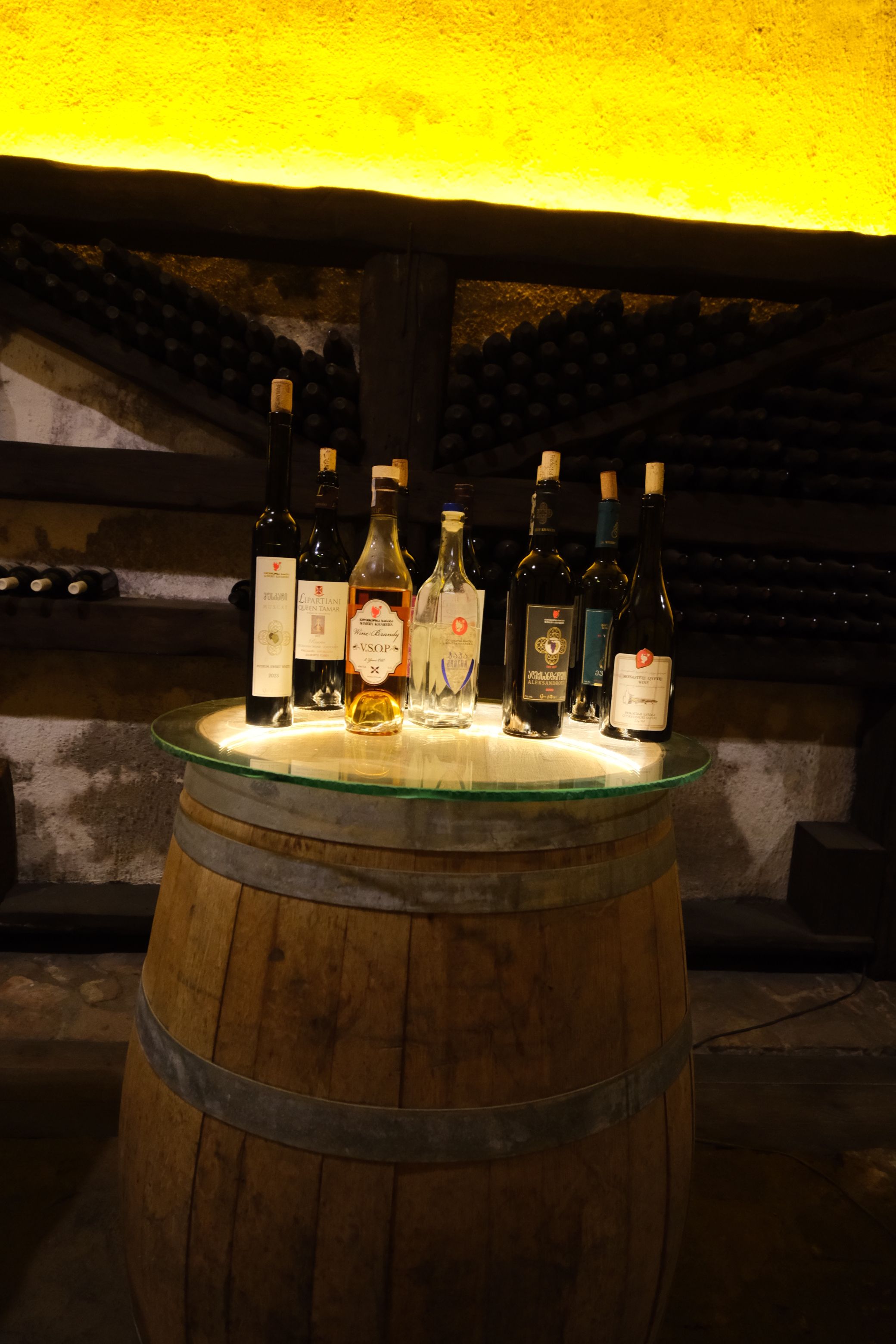
The afternoon continued with a visit to Winery Khareba’s Kvareli Wine Cave.
While I enjoyed Shumi, I found the Tunnel Winery experience even more engaging.
Part of that was thanks to our guide.
He was clearly passionate about what he was sharing and encouraged visitors to participate rather than simply listen. Throughout the tour, he passed around various tools, invited us to hold them, and patiently explained the different stages of the winemaking process.
The experience felt much more interactive.
What made the winery especially unique was the cave itself.
Carved into the mountainside during the Soviet era, the tunnel stretches for several kilometres underground and was originally built in the 1950s before eventually being transformed into a wine cellar. Today, the naturally cool temperatures inside the tunnel provide ideal conditions for storing and ageing wine.
Stepping inside felt like entering a completely different environment.
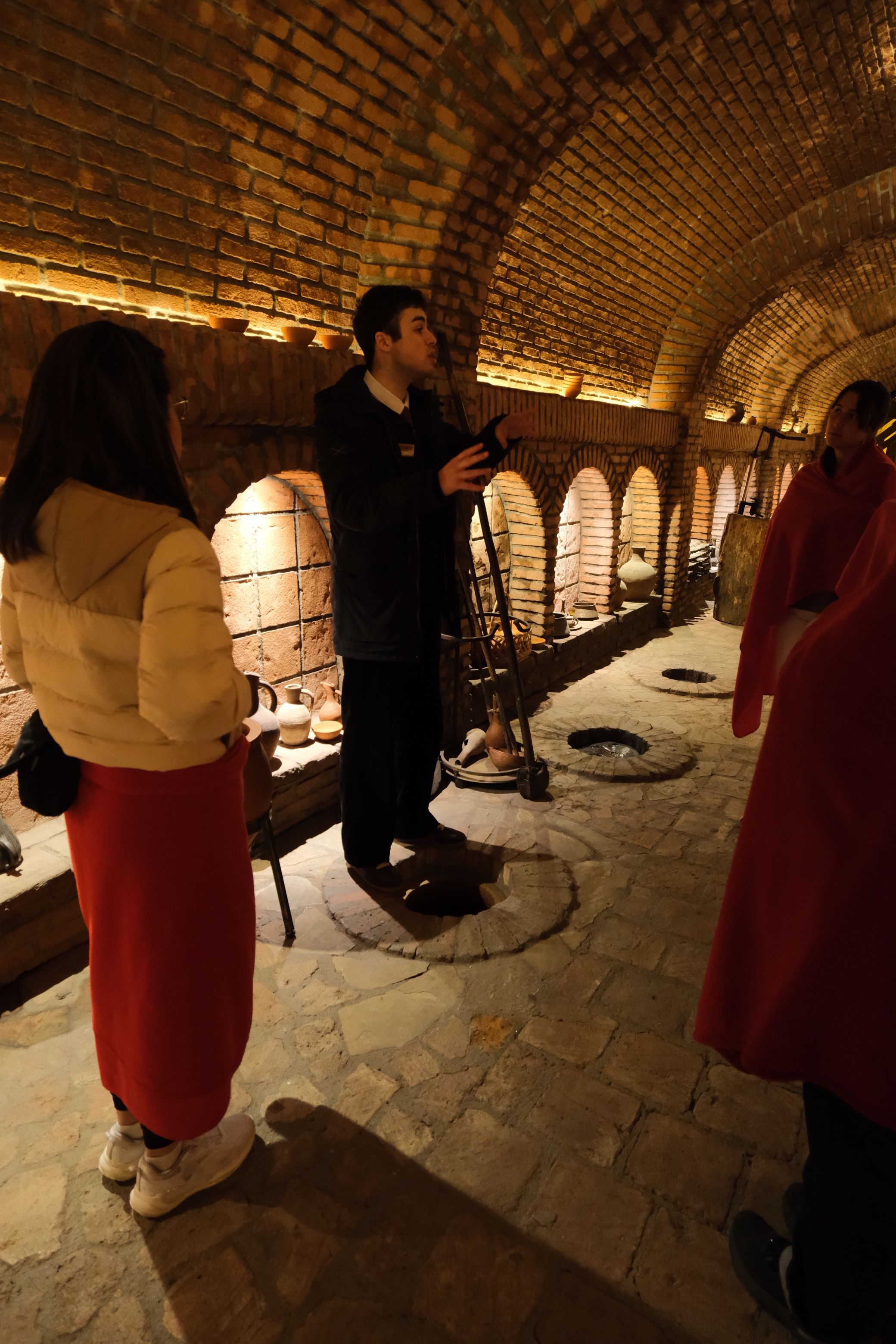
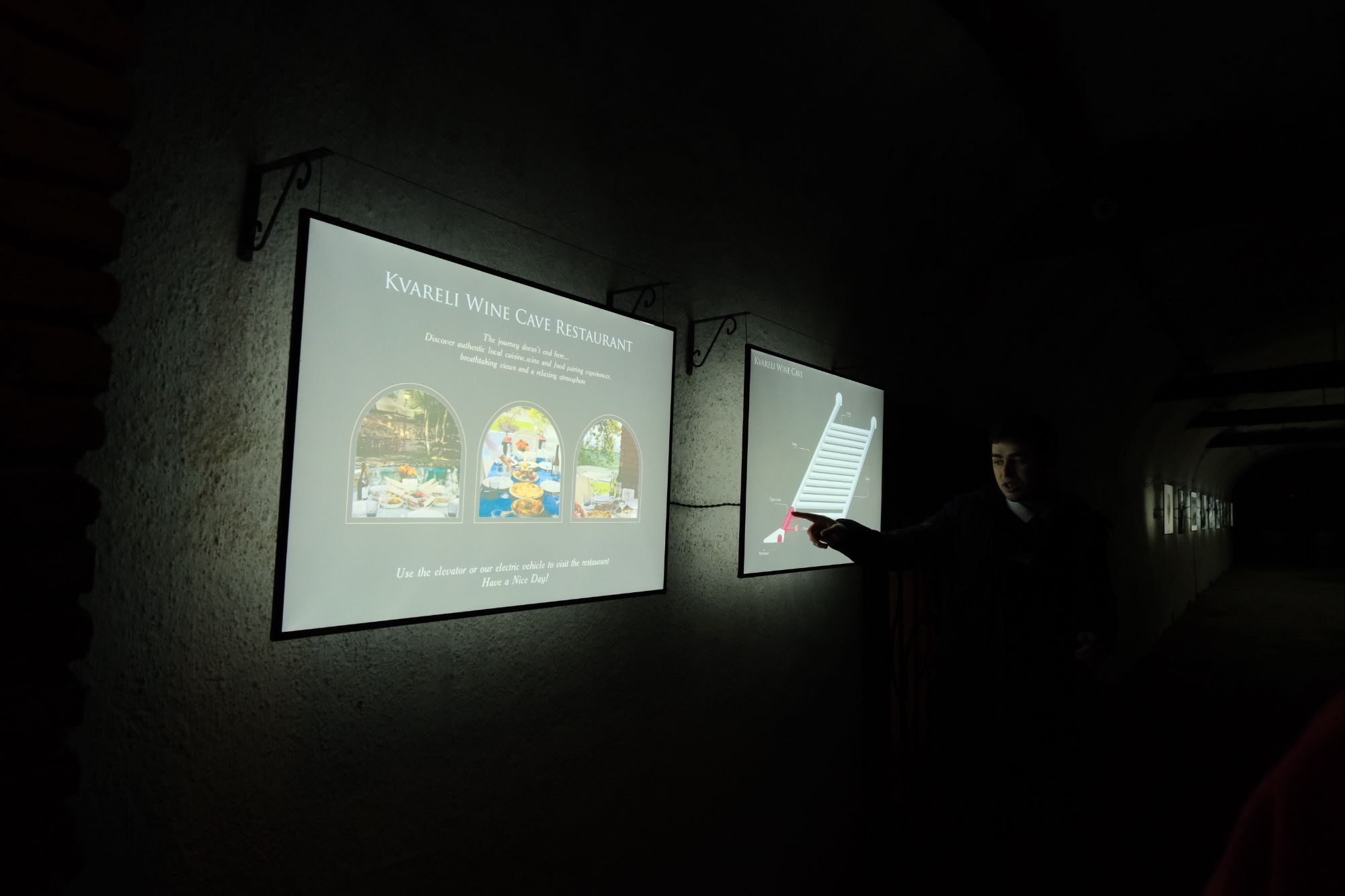
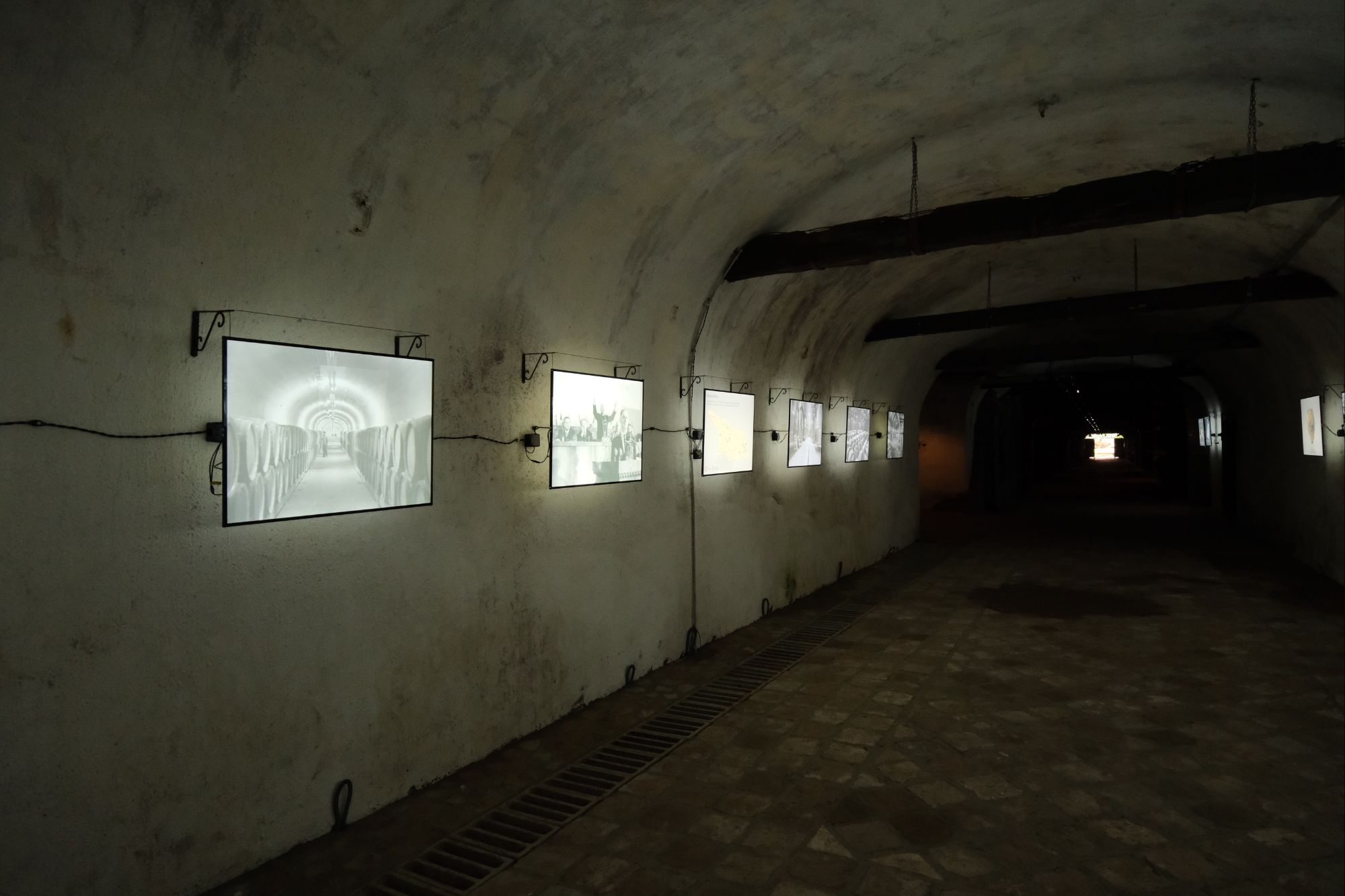
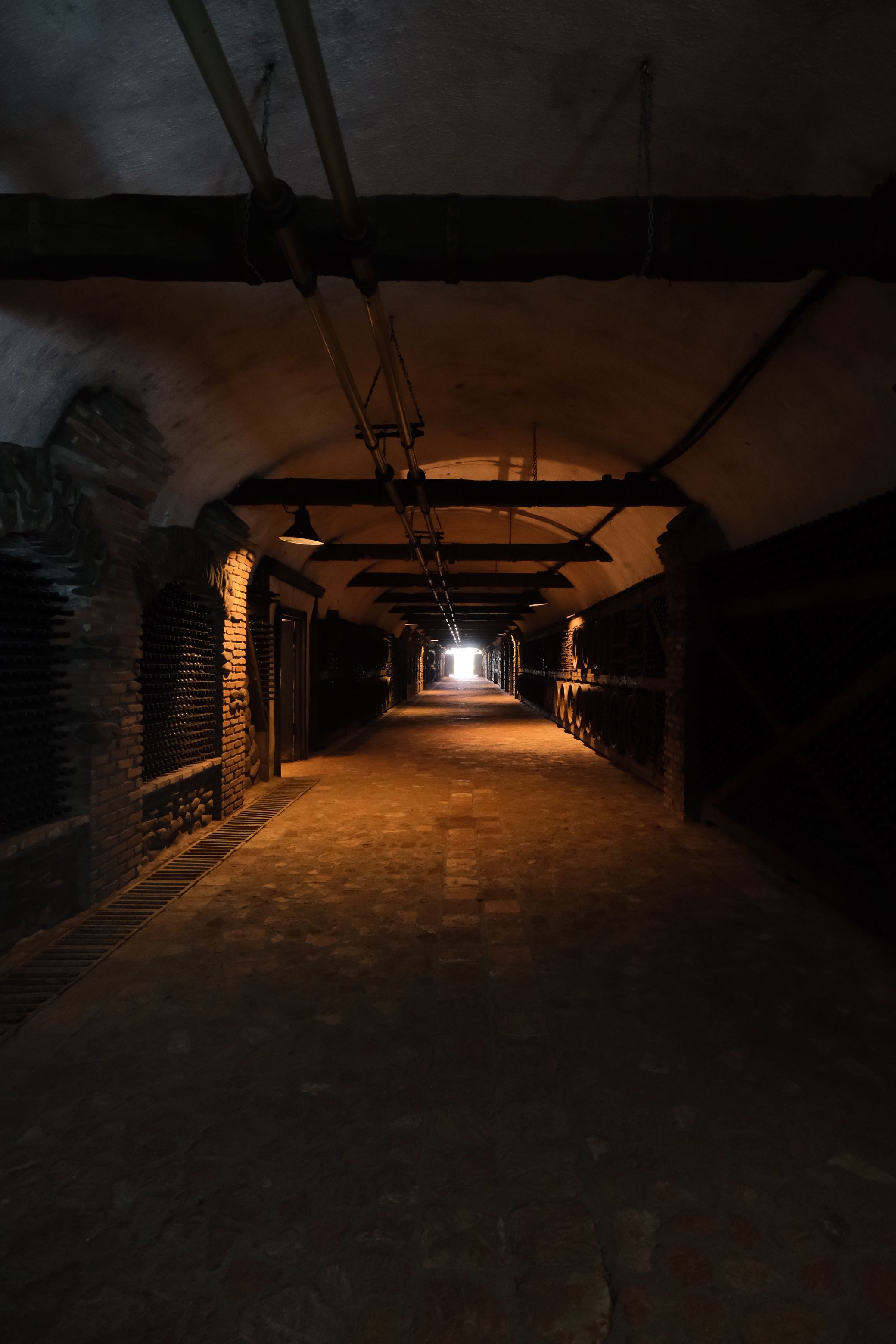
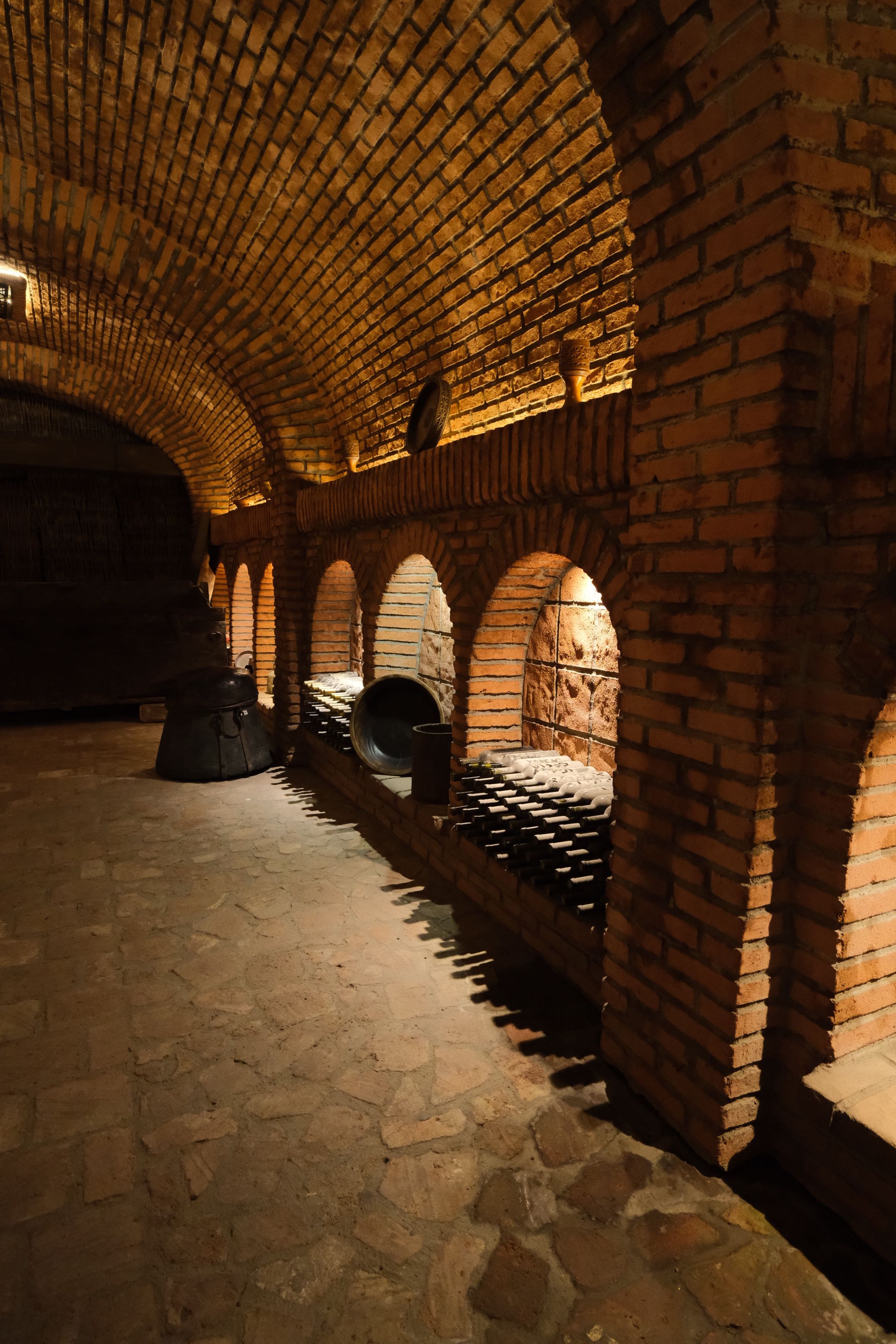
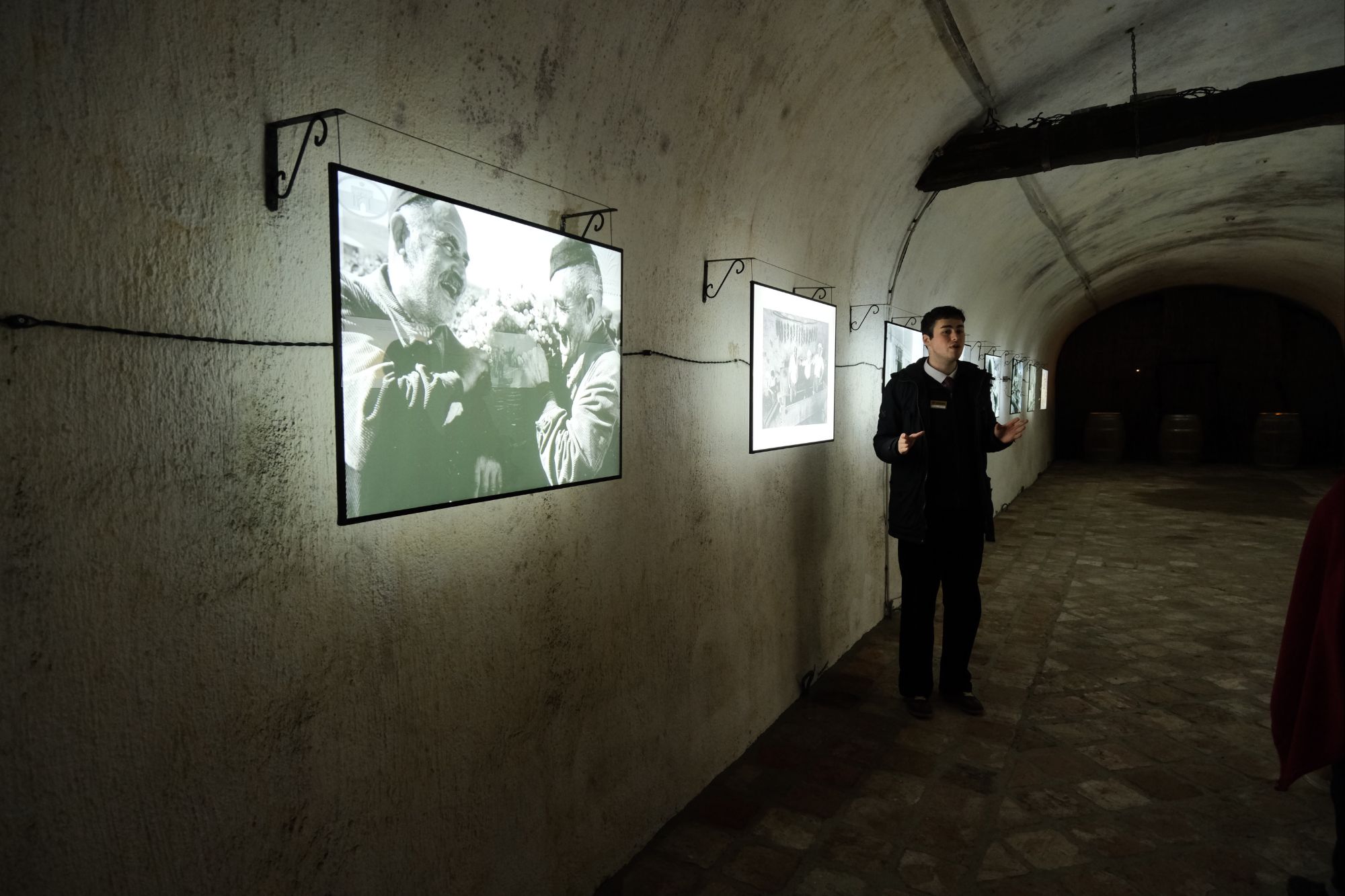
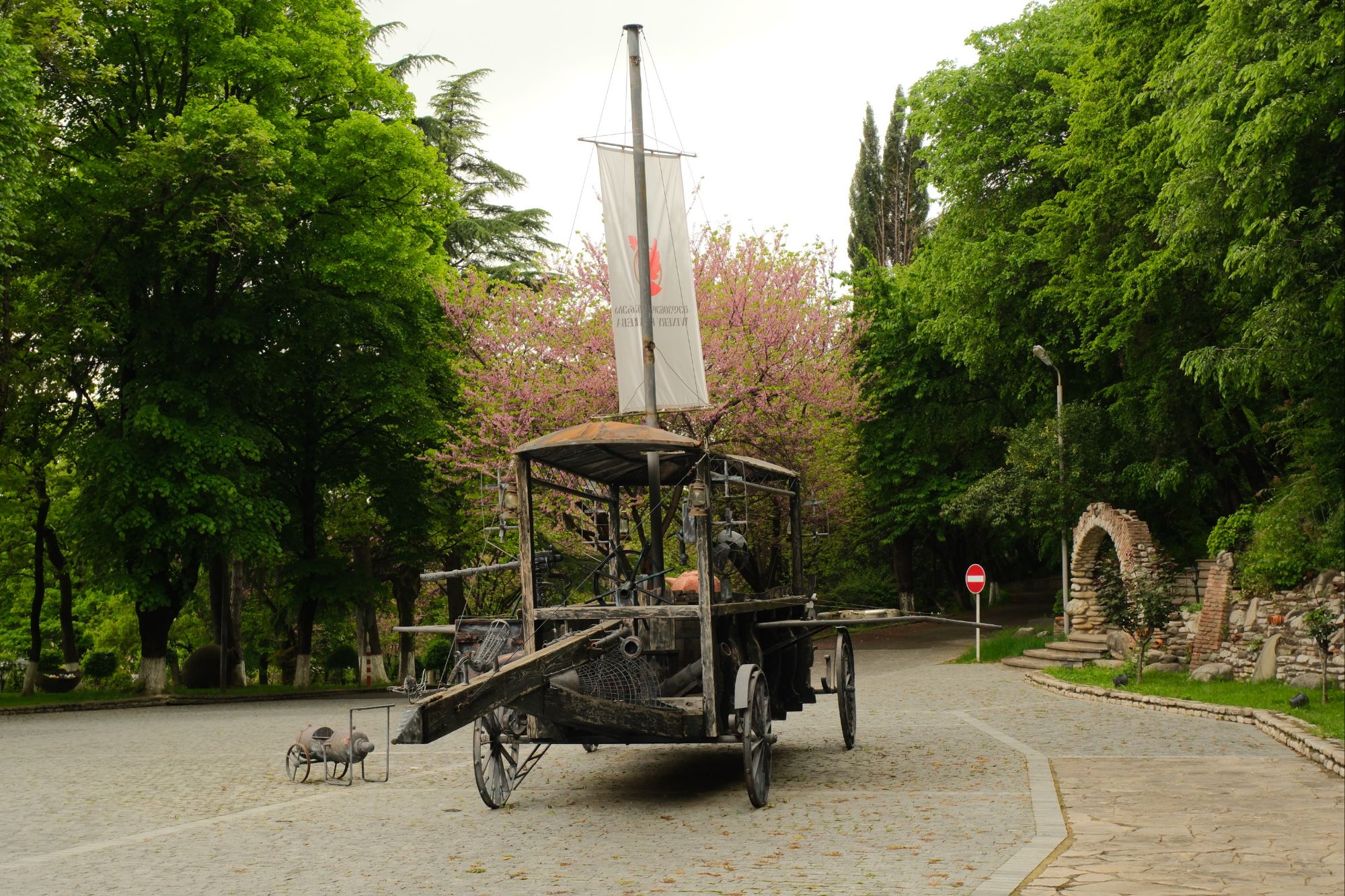
As we walked through the cave, our guide shared stories not only about Georgian winemaking traditions, but also about the history of the tunnel itself. It was fascinating to see how a structure with roots in the Soviet period had found a second life preserving one of Georgia’s oldest traditions.
By the end of the tour, I realised I was learning far more than just how wine was made.
Between the stories of traditional qvevri winemaking, the Soviet-era history of the tunnel, and the passion of the guides, the experience felt as much about Georgian culture as it did about wine.
One unexpected highlight was meeting a couple from Spain who joined the tour alongside us.
Travel has a funny way of bringing strangers together, if only for a short while.
For a short while, we found ourselves sharing stories, comparing travel experiences, and learning about Georgian wine together.
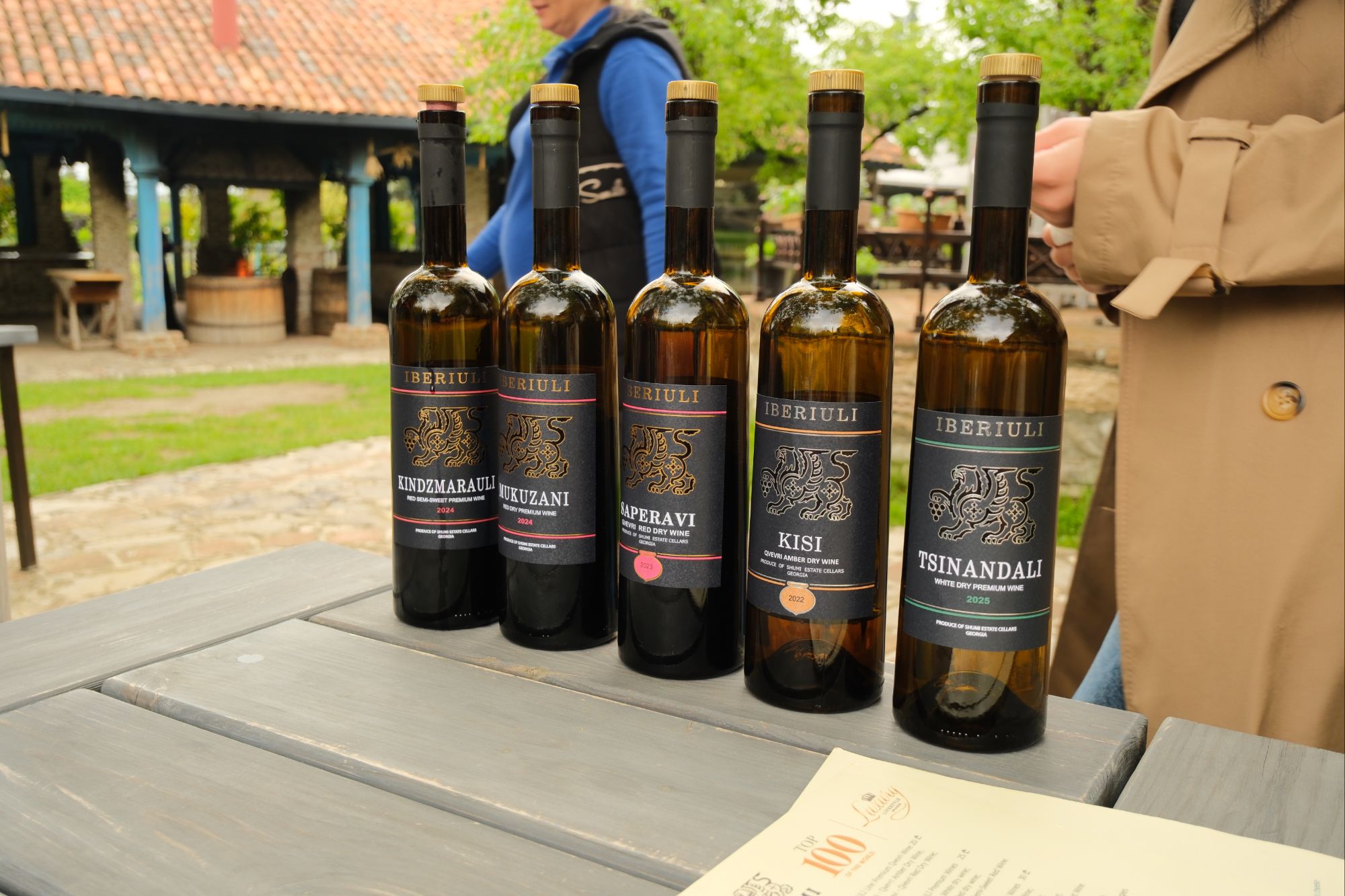
By the end of the day, I realised that I understood Georgian wine far better than when we had first arrived in Kakheti.
I learnt that every September marks the beginning of the grape harvest season, when wineries throughout the region begin the process all over again.
As Dean explained the annual harvest season and the winemaking traditions that have been passed down through generations, I began to understand why wine is so deeply woven into Georgian culture.
It wasn’t simply an industry.
It was history, tradition, family, and identity all bottled together.
I learnt why amber wine is so closely associated with Georgia.
And I learnt that wine here is more than just a drink.
It’s part of the country’s culture, history, and identity.
Whether it was the centuries-old qvevri buried underground, the Soviet-era wine tunnels, or the annual harvest season that still brings vineyards to life every September, wine seemed woven into everyday life in a way I hadn’t encountered before.
Most importantly, I discovered that Georgian white and amber wines suited my palate far better than I had expected.
For someone who arrived knowing very little about Georgian wine, that felt like a successful day in wine country.


Leave a Reply